
Sterile Processing Week: The Role of Proper Esophageal Dilator Storage
Sterile Processing Week: The Role of Proper Esophageal Dilator Storage
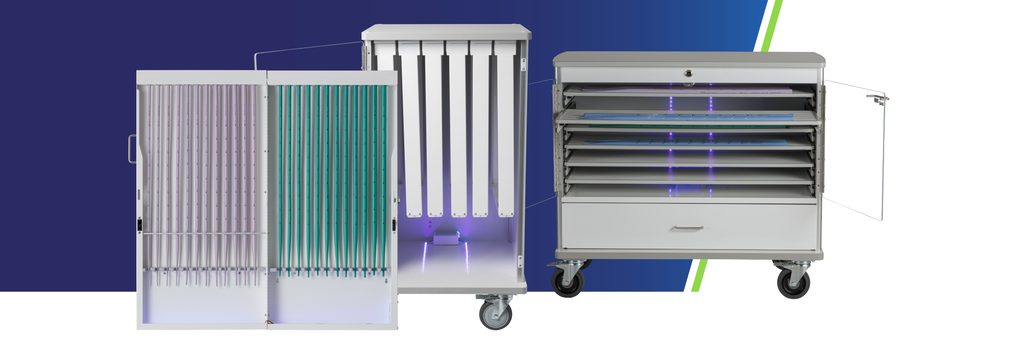
For Sterile Processing Week, Diversatek Healthcare recognizes the dedicated sterile processing professionals and healthcare providers who implement and maintain infection-prevention protocols for esophageal dilators, including bougies and over-the-wire (OTW) dilators, to minimize the risk of cross-contamination and ensure patient safety. Their attention to detail and technical expertise are invaluable when adhering to the step-by-step guidelines for cleaning, drying, and storing esophageal dilators.
How Important is Esophageal Dilator Storage?
It is critical to properly store reprocessed dilators to maintain their longevity and performance, prevent infection, and ensure optimal patient safety. GI teams shouldn’t compromise their infection-prevention efforts by improperly storing dilators in their endoscopy rooms.
In April 2024, the Association for the Advancement of Medical Instrumentation (AAMI) released a new technical information report, “TIR99:2024 – Processing of Dilators, Transesophageal and Ultrasound Probes in Health Care Facilities,” providing recommended protocols for critical and semi-critical medical devices, which include esophageal dilators, for healthcare facilities. This guidance report addressed acceptable and appropriate methods for cleaning, disinfecting, sterilizing, transporting, and storing medical devices, such as dilators. Access a full copy of this guidance document on the AAMI website.
In this blog, we will focus on how Diversatek Healthcare offers options for storing esophageal dilators that help your healthcare facility adhere to infection-prevention standards. These two key takeaways were identified in the report for implementing and maintaining best practices for storing reprocessed dilators.
- AAMI recommends storing probes and dilators according to the manufacturer’s IFU to help protect devices from damage or contamination.
- AAMI notes that a semi-critical probe/dilator that has undergone a high-level disinfection process should be stored with additional protection, such as in a clean cabinet or protective storage cover.
What Features in Esophageal Storage Systems Support Infection Prevention?
Esophageal dilations are performed frequently in healthcare facilities, and this daily demand requires a structured, safe system for storing dilators to maintain device integrity and patient safety.
Here are a few of the more advanced technologies helping provide cleaner storage environments for dilators by minimizing bacteria and contaminants:
- Forced air system with HEPA filters | Captures particles that are as small as 0.3 microns to minimize exposure
- 405 nm LED Disinfecting Light | Deactivates pathogens to minimize accumulation on the dilators
- Positive Pressure Environment | Prevents airborne contaminants from entering the storage area
How Do Dilator Storage Systems Help Maintain Device Longevity?
A secure, independent space for each bougie or OTW dilator within a storage system helps prevent physical damage. An esophageal dilator subjected to excessive bending and kinking will not perform as expected, which can lead to procedural delays and potential patient harm. The designated location for each dilator ensures that the storage system remains contact-free between dilators, preventing cross-contamination.
In addition, an organized system for storing dilators enhances tracking when needed and streamlines procedural workflows. A clear layout for your dilator inventory can help minimize errors and procedural delays, especially when introducing new personnel to your sterile processing or gastroenterology team.
Choosing the Right Device Storage System for Your Esophageal Dilators
It is key to identify the esophageal dilator storage unit(s) that align with your procedural demands, the allotted space within the facility, budget, and the preferences of the healthcare personnel.
Diversatek Healthcare has developed a diverse portfolio of esophageal dilator storage systems for use in ambulatory surgery centers (ASCs), hospitals, and clinics serving gastroenterology patients. For each of these storage configurations, there is a designated space to store individual dilators, so they do not come into contact with each other, minimizing contamination risks.
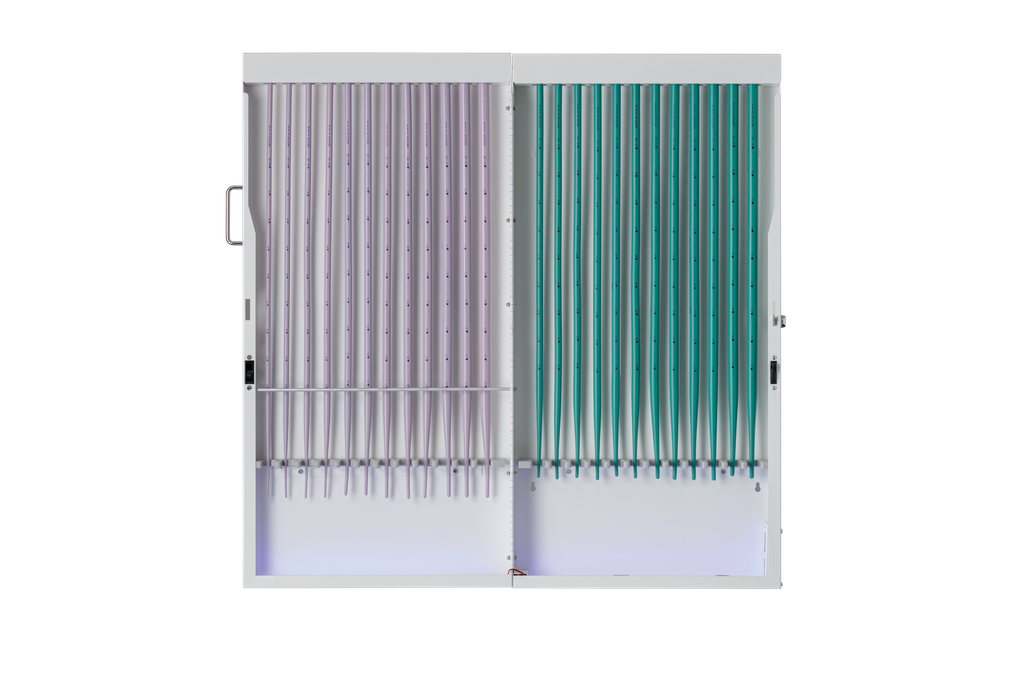
Wall-Mount Storage Cabinet
Designed to hold up to 24 dilators, the Wall-Mount Storage Cabinet is best suited for facilities with limited space and a smaller dilator inventory. Each dilator is secured in place at its proximal end and near the distal end, without compromising tip integrity, to prevent contact between dilators and promote lumen drying.
Features:
- Manual key lock system
- Metal door offers additional protection
- HEPA filtration and positive pressure environment
- 405 nm LED disinfection light
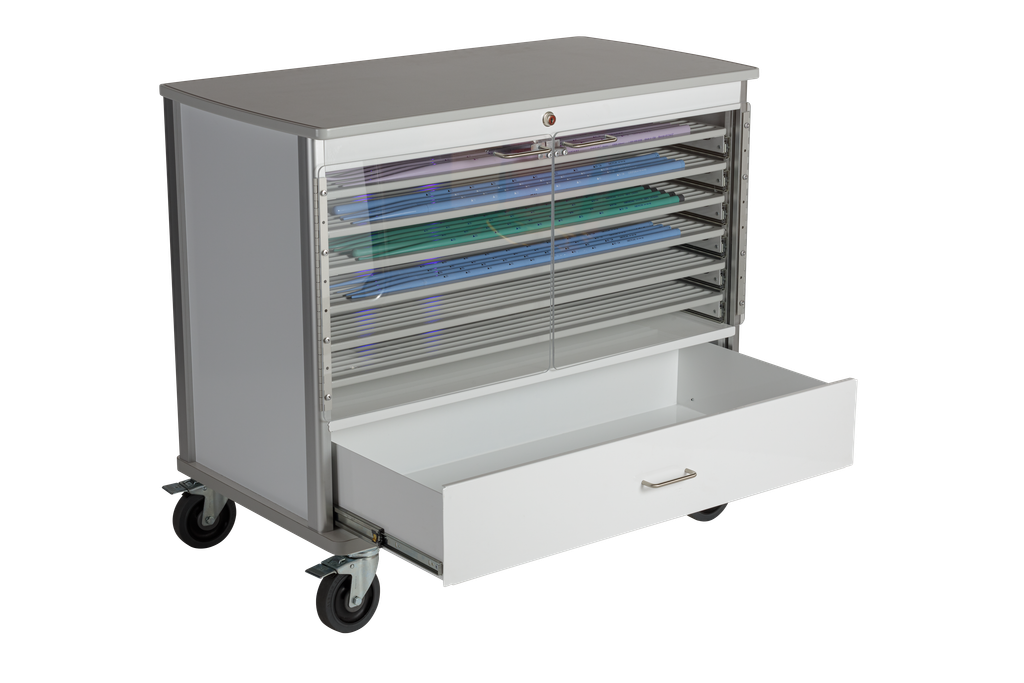
Horizontal Storage Cart
This system is ideal for high-volume gastroenterology departments and ASCs with procedure rooms that can easily fit a 41” wide mobile cart that holds up to 72 dilators in a horizontal position. Each dilator is secured within its own channel for enhanced organization and protection, which is especially important when transporting the cart between procedure rooms.
Features:
- Slidable trays that are removable
- Convenient storage drawer with a prep surface
- Clear doors enable visual verification of dilators
- Mobile design
- Keyless locking system
- HEPA filtration and positive pressure environment
- 405 nm LED disinfection light
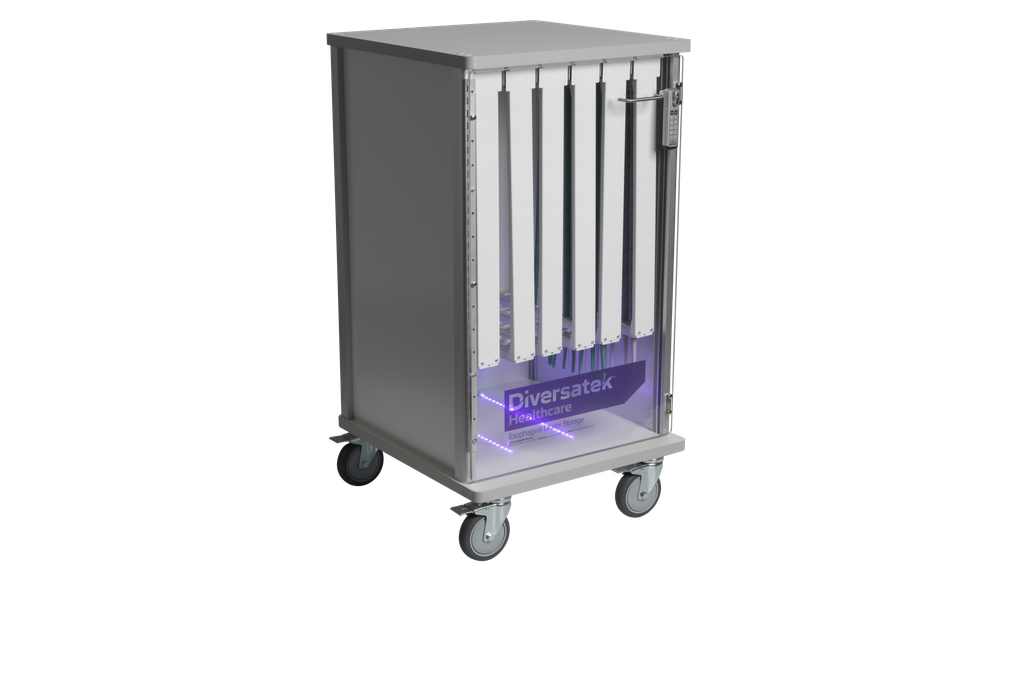
Vertical Storage Cart
This vertical storage system for esophageal dilators holds up to 72 dilators in a vertical orientation to support dilator straightness and optimal drying times. Its 24” width takes up less space compared to the width of the horizontal cart. Every dilator hangs independently with a strategically positioned lower slot that aligns slightly above the device tip to secure the dilator.
Features:
- Gliding hanging racks
- Mobile design
- Clear door supports visual identification of dilators
- Keyless locking system
- HEPA filtration and positive pressure environment
- 405 nm LED disinfection light
Best Practices to Maintain High-Performing Esophageal Storage Systems
To ensure your dilator storage system provides a clean and secure environment, sterile processing teams should establish routine evaluations and maintenance to uphold the highest levels of infection prevention.
- Follow the manufacturer’s Instructions for Use (IFU) for each bougie and OTW dilator
- Designate a secure location for your storage system
- Replace HEPA filters as recommended
- Ensure dilators are completely dry before storage
Supporting Safe and Effective GI Care
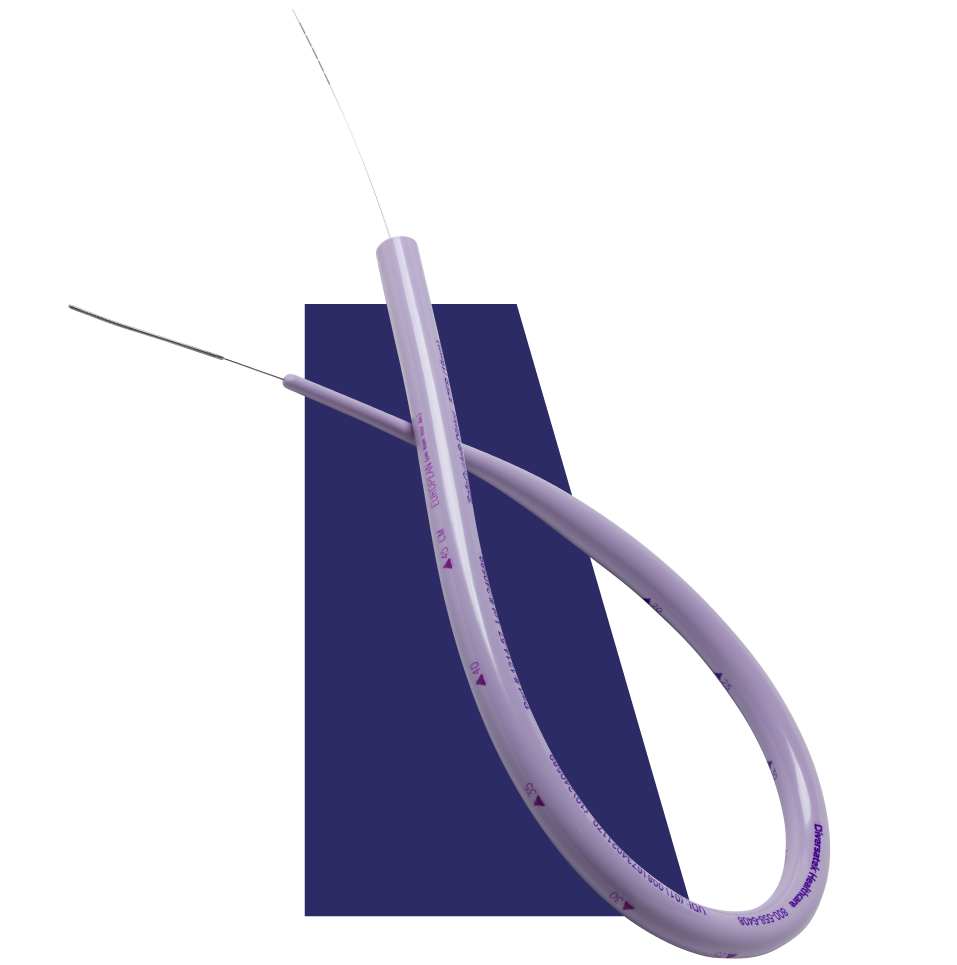
Behind every successful esophageal dilation procedure are the combined efforts of sterile processing and gastroenterology teams committed to maintaining the highest standards of infection prevention and device care. This expertise ensures that esophageal dilators, including SafeGuide® OTW Dilators and M-Flex® Blue Silicone Bougies, are properly reprocessed, stored, and ready for use when needed.
Whether your facility performs a few dilations each week or manages high-volume dilation procedures, a Diversatek Territory Manager can help you evaluate storage options that align with the needs of your department and procedural environment.